Population Health
NQPHN's Population Health priority objectives include health promotion, early intervention, and primary care treatment focused on stages across the life span.
Longer term, our commissioned programs will maximise health and wellbeing outcomes for people across priority life stages.
By addressing the needs of northern Queensland communities, and focusing on prevention and early intervention activities, there will be fewer preventable hospitalisations in the NQPHN region for people with chronic and vaccine-preventable diseases.
Combined, these activities will contribute to improved health outcomes for all population groups in the NQPHN region.
A selection of our Population Health projects are highlighted in this section.

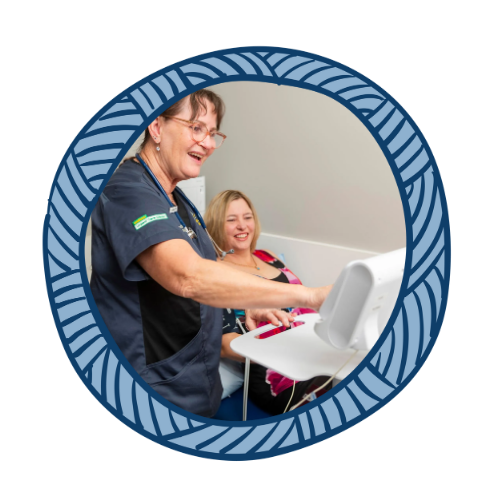
Multidisciplinary Allied Health Teams (MDT)
In the 2024-25 financial year, NQPHN announced the Multidisciplinary Allied Health Teams (MDT) program to give northern Queenslanders with chronic conditions living in rural and remote areas care closer to home.
Under the MDT program, allied health providers from Cairns, Townsville, and Mackay work with local GPs and other local primary care providers in the region’s rural and remote communities.
Rural and remote areas of North Queensland experience higher rates of chronic conditions and potentially preventable hospitalisations, compared to the rest of the state – this program brings allied health specialists into the area to work alongside local teams and GPs, to provide people with chronic conditions access to timely care without having to leave their community.
Models of care have been developed through codesign with the community and healthcare providers within the rural and remote towns. Allied health teams will provide a mix of face-to-face and telehealth sessions, with the aim of making a real difference by helping people to manage their conditions and stay out of hospital.
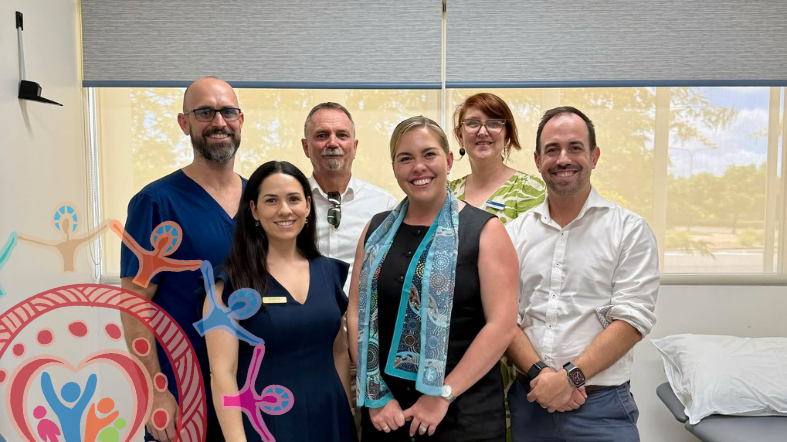
We are proud to partner with providers who share our commitment to improving care for people in regional, rural, and remote areas, including Active Performance (Cairns), NWRH (Townsville) and Physio Plus (Mackay).
Pharmacist in General Practice
As part of the Early Intervention for Aged Care funding, NQPHN worked with the Pharmaceutical Society of Australia (PSA) to pilot the concept of having a non-dispensing pharmacist working within general practice as part of the clinical team.
The Older Person’s Medication Management Program, saw five pharmacists placed in eight practices, six practices within the Townsville region and two practices in Charters Towers.
The aim of the program was to enable older people to live at home for as long as possible, managing their chronic conditions and ageing healthily.
Between April and June 2025, 793 activities were recorded across the clinics, including medication reviews, health literacy education, and medication reconciliation.
Referrals to the pharmacists have been received from numerous sources, including GPs (<50 per cent), nurses, community pharmacies, and self-referrals from patients.
Pharmacists are also active in this space, proactively identifying patients that could benefit from their input and consultation.

Social Workers in General Practice
A total of six practices were onboarded into the Social Workers in General Practice program, and have since recruited social workers to work as part of their team.
Notably, two Aboriginal Community Controlled Health Organisations (ACCHOs) within the NQPHN region also signed on to participate; one in Townsville and the other in Cairns.
Of the six practices with social workers, four have indicated they will maintain a social worker in their practice.
The aim of the social workers is to provide a range of support to patients, especially those experiencing chronic illness and age-related concerns.
The project is led by James Cook University (JCU) social work academics and includes research on the outcomes of social work in general practice, building on previous research with students.

Mental Health and Alcohol and Other Drugs (AOD)
NQPHN's Mental Health and Alcohol and Other Drugs (AOD) priority objectives include to progress towards equitable access to a networked system of mental health and alcohol and other drugs services.
During this financial year, NQPHN increased access to mental health services by funding programs that met the needs of northern Queenslanders.
NQPHN is committed to enhancing and establishing a range of evidence-based and culturally appropriate mental health and alcohol and other drugs support services, which are accessible to residents across northern Queensland.
A few of our Mental Health and AOD projects are highlighted in this section.
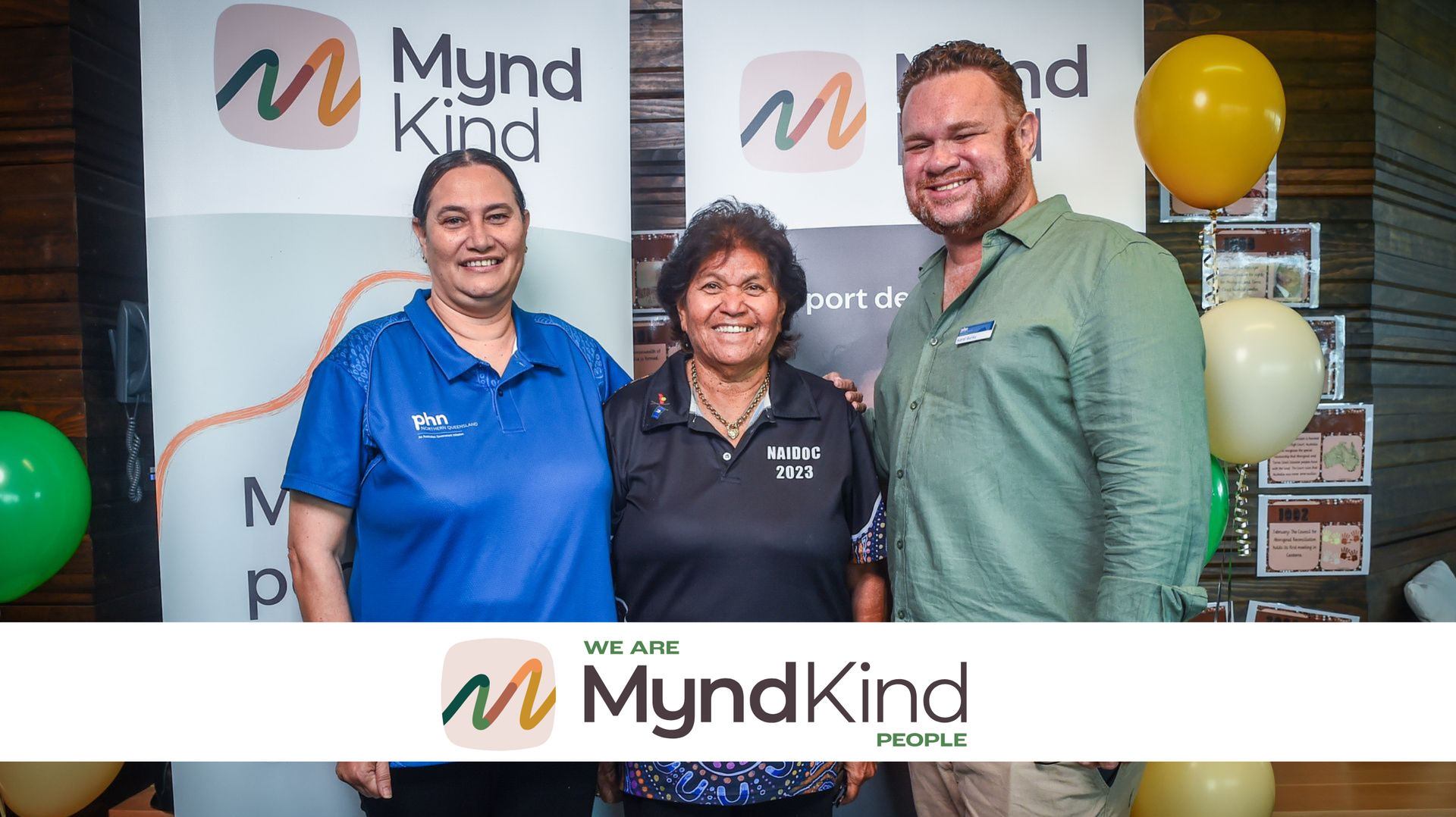
MyndKind
In November 2024, NQPHN – in partnership with 17 service providers – launched MyndKind, a new and easier way for northern Queenslanders to access mental health services and support to best suit their needs.
MyndKind is a new model of mental health stepped care services that addresses significant barriers to accessing mental healthcare, such as living in a rural and remote area, financial hardship, and limited transport, by placing the person at the centre of their mental health journey.
The flexible approach has been a game-changer for people in the region, providing multiple entry points to access support and more coordinated and streamlined transitions between services.
The addition of the Journey Coordination role into the stepped care system has also been impactful. Journey Coordinators are providing a tailored and person-centred approach to working with individuals, with the flexibility to walk alongside a person for as long as needed, and offering low-intensity support options.
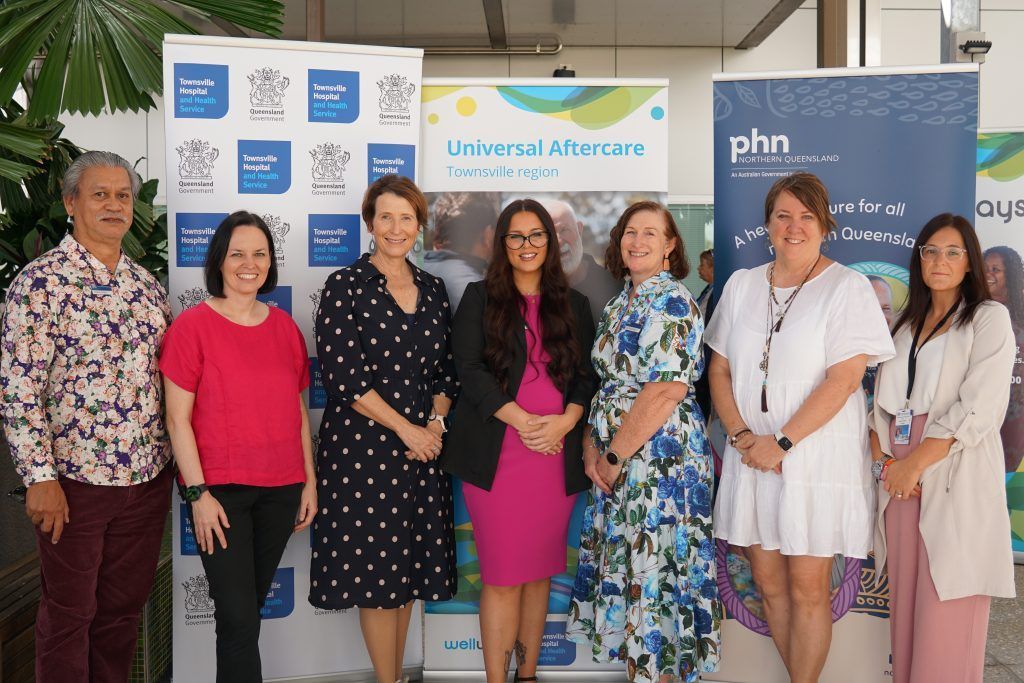
Universal Aftercare – Townsville and Mackay
In the 2024-25 financial year, NQPHN, in partnership with Townsville and Mackay Hospital and Health Services (HHSs), announced the Universal Aftercare (UAC) program in Townsville and Mackay.
Wellways was commissioned to deliver the service, which commenced in 2025.
Universal Aftercare offers timely, non-clinical, and compassionate support to people following a suicide attempt or suicidal crisis.
The program is designed to reduce future suicide risk and promote recovery through a person-centred approach. It offers a friendly, kind, and human connection that bridges the space between clinical care and the realities of everyday life, helping people to reconnect with support networks, develop safety plans, and navigate their journey toward a meaningful and fulfilling life.
In the financial year ending June 2025, 50 people had engaged with the UAC program in Townsville and Mackay.
Following the launch in August 2025, 100 people had engaged with the program, showing its need in these communities.

Targeted Regional Initiative for Suicide Prevention (TRISP) program
Nineteen community groups and organisations in northern Queensland received grants to support local wellness and suicide prevention activities underway that meet the specific needs of people in their communities.
A further five targeted seeding projects will commence in the 2025-26 period in support of the region such as Postvention Planning, youth voices on topics such as safety online and wellbeing in the sporting community.
The grants and projects are part of the Targeted Regional Initiative for Suicide Prevention (TRISP) program, and are designed to promote effective, accessible, and affordable community-led activities to help those experiencing distress or who are at risk of suicide.
Suicide prevention ideas from community groups and organisations included an Aboriginal men’s health alliance, perinatal wellbeing initiatives, help for carers, and a program for young neurodivergent people and those living with chronic pain.
Project-ready initiatives that were rolled out include training staff, engagement and educational material, workshops for female veterans, playgroups for children and their Young Veteran Dads, workshops for at-risk young First Nations people, and peer-lead initiatives within the Bhutanese community of Cairns.
GPs and other Primary Care Professionals
The GPs and other Primary Care Professionals priority area assists the northern Queensland primary care workforce to build the capacity and capability to deliver high-quality, integrated care.
Overall, our Primary Care Engagement, Workforce Development, Disaster and Preparedness, and Integration and Partnership teams are dedicated to supporting primary care providers in delivering high-quality, sustainable, and person-centred care by:
- Delivering capacity and capability-building activities to ensure change and reform readiness, and the adoption of reform policy in primary care.
- Aligning digital health, data analytics, and system intelligence to work closely with GPs, primary care professionals, and the broader health service sector.
- Driving the facilitation, integration, and innovation in primary healthcare delivery models using evidence-based and person-centred approaches, with our team committed to working with our strategic partners to broker innovative, place-based models of care to keep people well and out of hospital.
- Assisting primary care providers to maintain highly effective and sustainable practices.
- Equipping the primary care workforce to effectively address the demands in preparing for and responding to disasters such as floods, cyclones, COVID-19, or any other business interruption.
A selection of our GP and other Primary Care Professionals projects are in this section.
Thin Markets
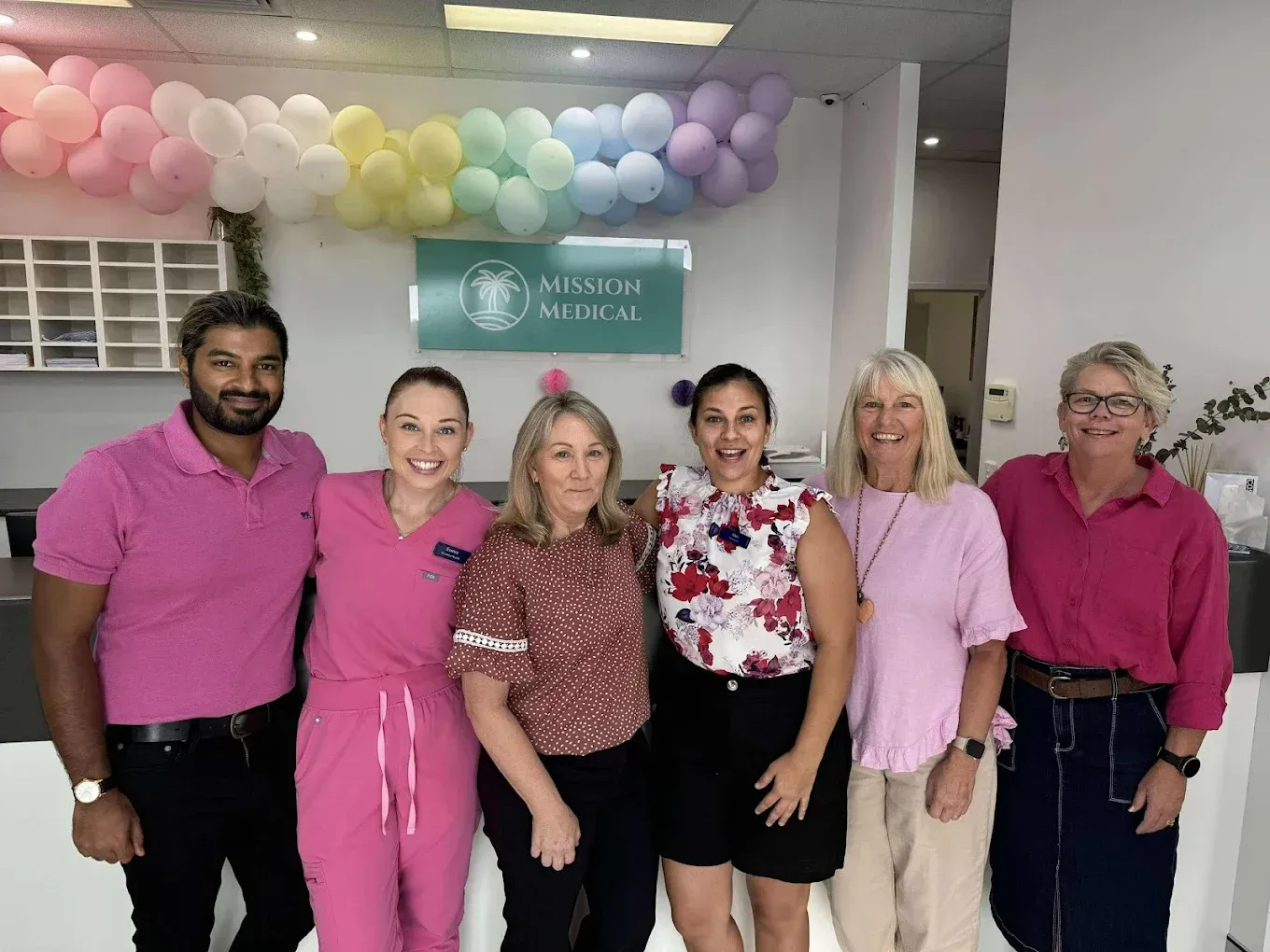
We were proud to launch the first ‘thin market’ project in Australia with Mission Medical, a model designed to bring GP services back to rural communities where commercial viability is a challenge.
Since opening in November 2024 to June 2025, Mission Medical has made a powerful impact, completing 8,411 consultations.
The practice has also created local employment opportunities, while reintroducing other lost health services such as phlebotomy and allied health. It provides local services for people who were previously unable to travel outside the region, particularly for the elderly and vulnerable populations.
This achievement was the result of strong community support and partnership between the Cassowary Coast Regional Council, NQPHN, Cairns and Hinterland Hospital and Health Service, and Health Workforce Queensland. Funding provided by the Council and the Australian Government Department of Health, Disability and Ageing ensured the project could move from planning to reality.
After a procurement process, overseen by an independent probity and procurement advisor, Tully Medical Centre was selected to operate the new clinic.
Workforce Development Continuous Professional Development (CPD)
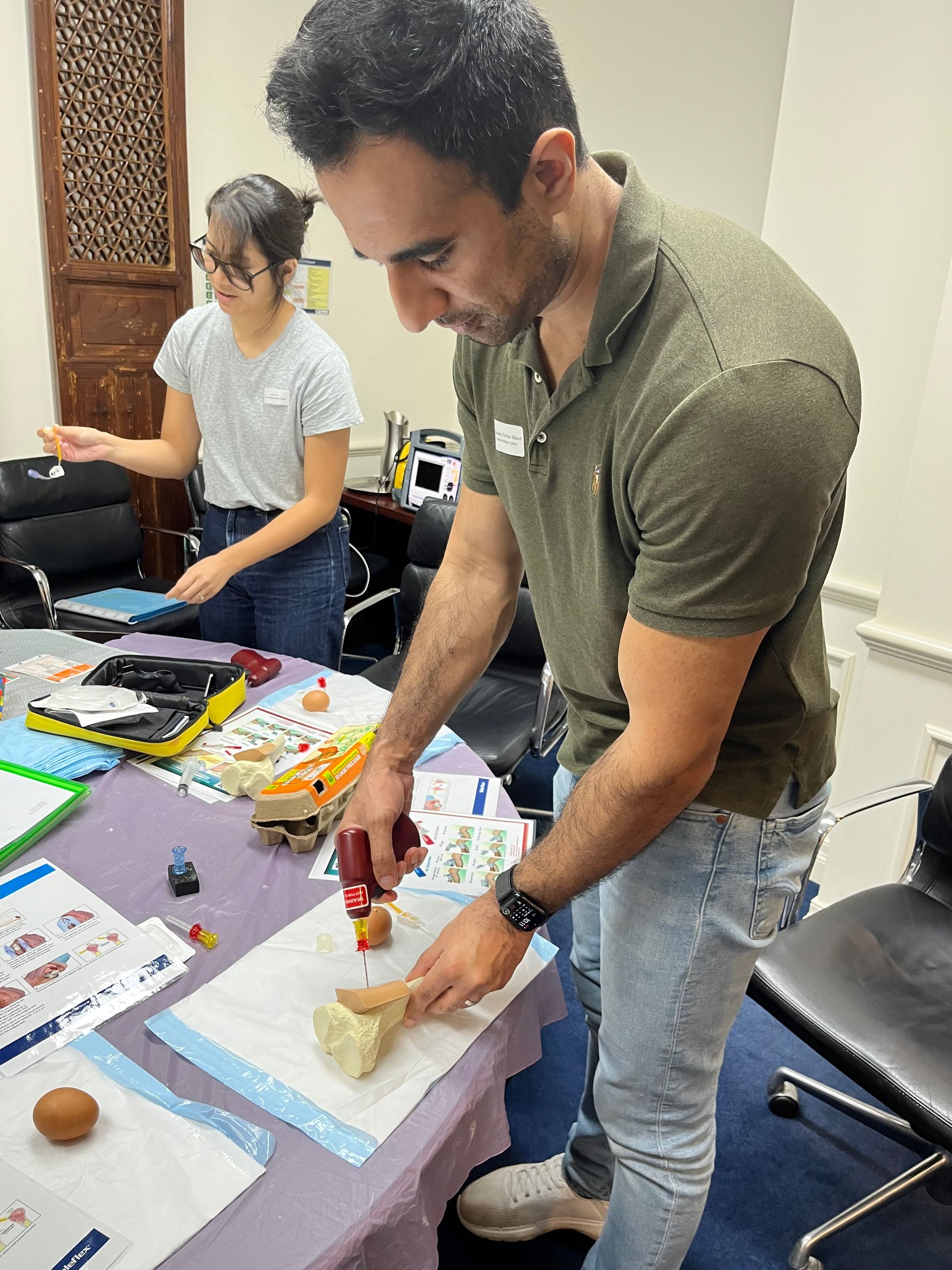
Between July 2024 and June 2025, NQPHN together with our partners, delivered 91 educational events delivered to 1,321 participants across the northern Queensland region.
Face-to-face events included Advanced Life Support (ASL), heart failure, general practice essential skills, emergency planning, CPR, first aid, cold chain management, paediatric assessment, spirometry, ear wax removal, Occupational Violence Prevention (OVP) in primary care, and aged care training.
There was also a focus on Urgent Care Nurse Stream workshops, with 131 participants, and training that included splinting, managing emergencies, wound care, and intravenous cannulation.
Online learning consisted of 12 online webinars delivered to 237 participants across the northern Queensland region.
Meanwhile, we also helped facilitate the Professional Development Conference for Aboriginal and/or Torres Strait Islander Health Professionals in September and October 2024. Three face-to-face conferences were delivered to 77 participants across Cairns, Townsville, and Mackay.
Proactive Chronic Conditions Management CQI
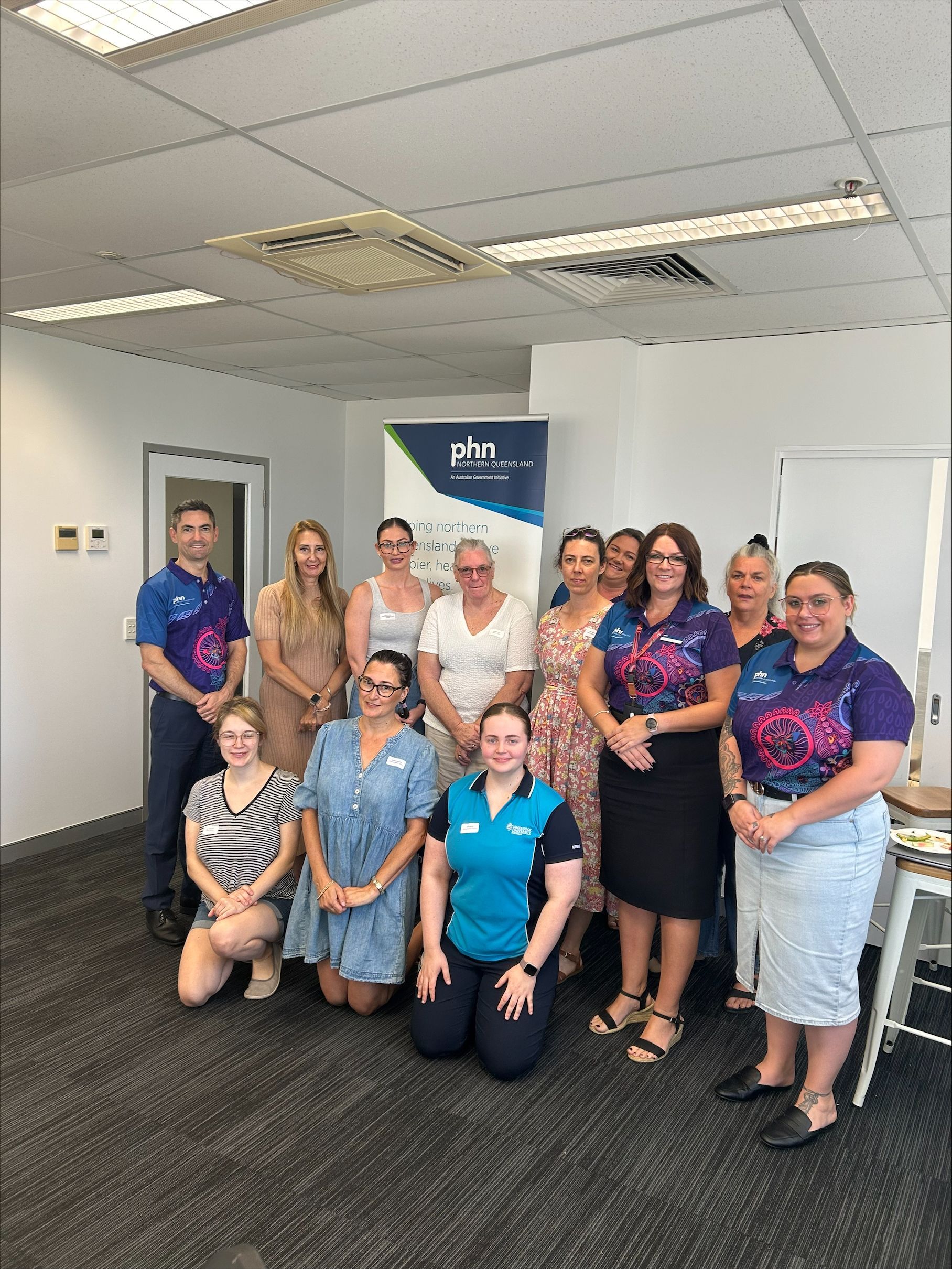
The Proactive Chronic Conditions Management (ProCCM) Continuous Quality Improvement (CQI) was designed to support 30 selected general practices and Aboriginal Community Controlled Health Organisation (ACCHO) teams to undertake the program that enabled primary care teams to deliver high-quality chronic disease management, while meeting the requirements of national health reform.
The structured 12-month ProCCM CQI program acted as a reform enabler by:
- Streamlining data used in Primary Sense to identify patients with high-complex conditions, and enabling practices to focus on their most vulnerable patients.
- Supporting MyMedicare registration and better utilisation of MBS items (69 per cent reported an increase in MyMedicare registrations for patients with chronic conditions).
- Embedding shared care coordination via the INCA platform, by streamlining the creation and sharing of Chronic Disease Management (CDM) plans.
- Enhancing patient engagement and self-management with innovative AI tools – more than 17,000 patients were contacted via GoShare with information on how to register for MyMedicare.
The ProCCM program has made meaningful progress with 86 per cent of participating nurses stating they feel more confident in managing chronic conditions.
First Nations Health
NQPHN remains committed to First Nations health, with a clear objective to progress towards improved health equity and health outcomes for First Nations peoples.
Our collaborative efforts with partners across the sector aim to ensure First Nations peoples gain increased access to coordinated, high-quality, and culturally safe care.
As part of our commitment to First Nations health, we have continued to support workforce capacity and capability within the community-controlled sector, while also assisting ACCHOs to deliver maternal and child health services, and contribute to building an appropriately skilled First Nations workforce to deliver these essential services.
A selection of our First Nations Health projects are highlighted in this section.

JCU diabetes educator opportunity (and mapping pathways with ADEA)
NQPHN and James Cook University (JCU) partnered in 2024 to help combat alarming rates of diabetes in remote Aboriginal and Torres Strait Island communities through a scholarship fund designed to boost the health educator workforce.
NQPHN funded the $150,000 scholarship fund, which enables Australian Health Practitioner Regulation Agency (AHPRA) registered Aboriginal or Torres Strait Islander health practitioners to undertake a Graduate Certificate of Diabetes Education with JCU.
There were 14 health practitioners who expressed an interest in the scholarship, with more than 25 per cent taking up the scholarship. The program has now expanded to include all eligible professions and will run for the next three years.
The scholarships aim to reduce the financial barriers for students. The Graduate Certificate was the critical first step for students to become a fully credentialled Diabetes Educator with the Australian Diabetes Educators Association (ADEA).
Australian Diabetes Educators Association (ADEA)
A project has also been undertaken with the Australian Diabetes Educators Association (ADEA), which is responsible for bringing together peak bodies to scope and map available upskilling pathways for Aboriginal and Torres Strait health workers and health practitioners who don’t wish to undertake the formal credentialling education.
Opportunities have been identified, with ongoing work in promoting and making programs accessible to workers and practitioners, and enabling education opportunities for patients and community members.
Aboriginal and Torres Strait Islander Health Worker and Practitioner Professional Development Workshops
NQPHN provides access to a range of Continuous Professional Development (CPD) educational events for health professionals across the northern Queensland region.
The CPD program is fundamental in building primary care workforce capacity and capability and providing primary care professionals with the skills to competently deliver better health outcomes for patients.
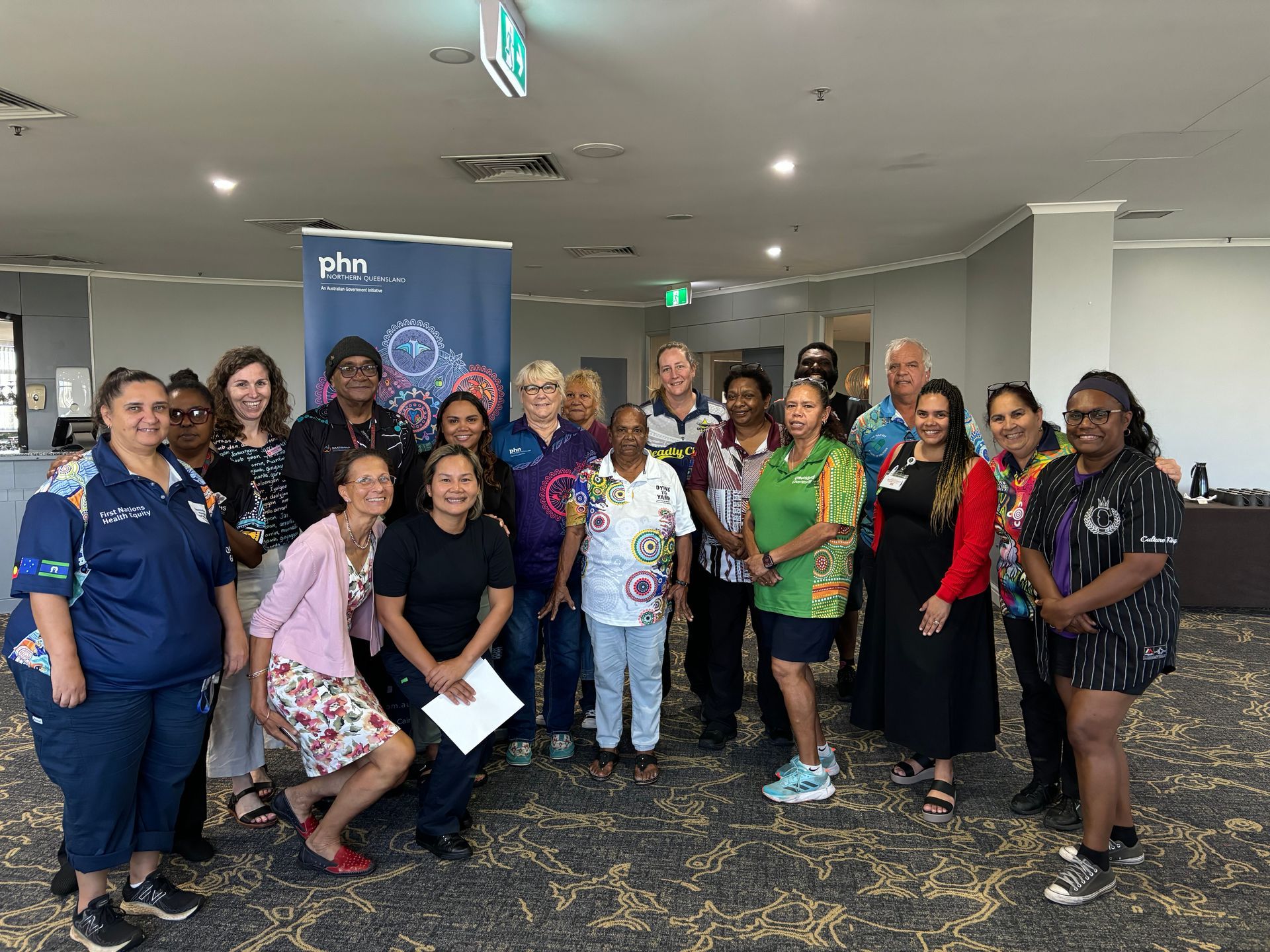
In the financial year 2024-25, 77 health workers attended three Aboriginal and Torres Strait Islander Health Worker and Practitioner Professional Development workshops across Cairns, Townsville, and Mackay.
Workshops were also delivered in Bamaga and Horn Island, where 39 people attended. Participants stated:
“Understanding how to use open-ended questions to encourage positive engagement with clients.”
“So interesting (presentation) on how to talk to clients. Well presented!”
“I enjoyed every bit of the sessions today. Both sessions were refreshing and [I now have a] clear understanding.”

Fetal Alcohol Spectrum Disorder (FASD)
NQPHN funds the Fetal Alcohol Spectrum Disorder (FASD) Clinic provided by Child Development Service, Townsville Hospital and Health Service (HHS), the only specialist FASD assessment service available in northern Queensland.
Unidentified and untreated FASD has been associated with child safety concerns, high levels of family distress, and educational difficulties. Between 2-5 per cent of the Australian population is estimated to have FASD, 19 per cent of whom live in remote communities.
The Townsville FASD Clinic receives referrals from service providers, including but not limited to private paediatricians, child and youth mental health services, Child Safety, and Townsville Aboriginal and Islander Health Service (TAIHS).
To date, the clinic has received 491 referrals. More than 300 children have completed the assessment, with 60 per cent meeting FASD diagnostic criteria.
System Integration
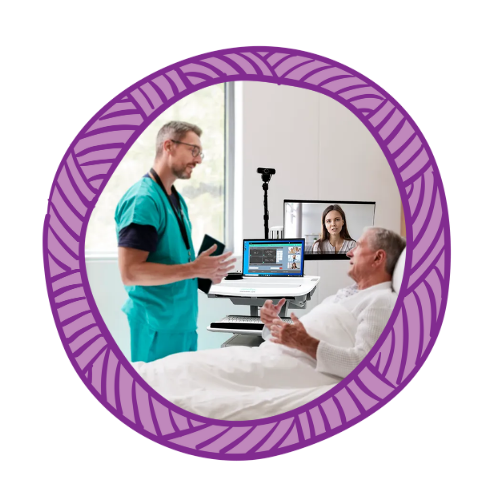
NQPHN's System Integration priority area forms a pivotal element in our commitment to advancing primary health care.
Our objective aims to help people to receive the right care, in the right place, at the right time in an integrated and digitally enabled health system.
We work with our partners to jointly plan, co-commission, and deliver innovative models of service delivery to address key health priority areas.
It involves integrating and streamlining information, resources and processes to ensure efficient and effective healthcare delivery.
Our key focus areas include data integration, care coordination, resource optimisation, quality and safety, patient engagement, and population health management.
A selection of our System Integration projects are highlighted in this section.
Joint Regional Needs Assessment (JRNA)
The Joint Regional Needs Assessment (JRNA) – previously the Health Needs Assessment (HNA) - provides a shared understanding of the key health priorities across northern Queensland.
In 2024-25, under the new framework, NQPHN worked together with the four Hospital and Health Services (HHSs) in our patch to develop the first JRNA.
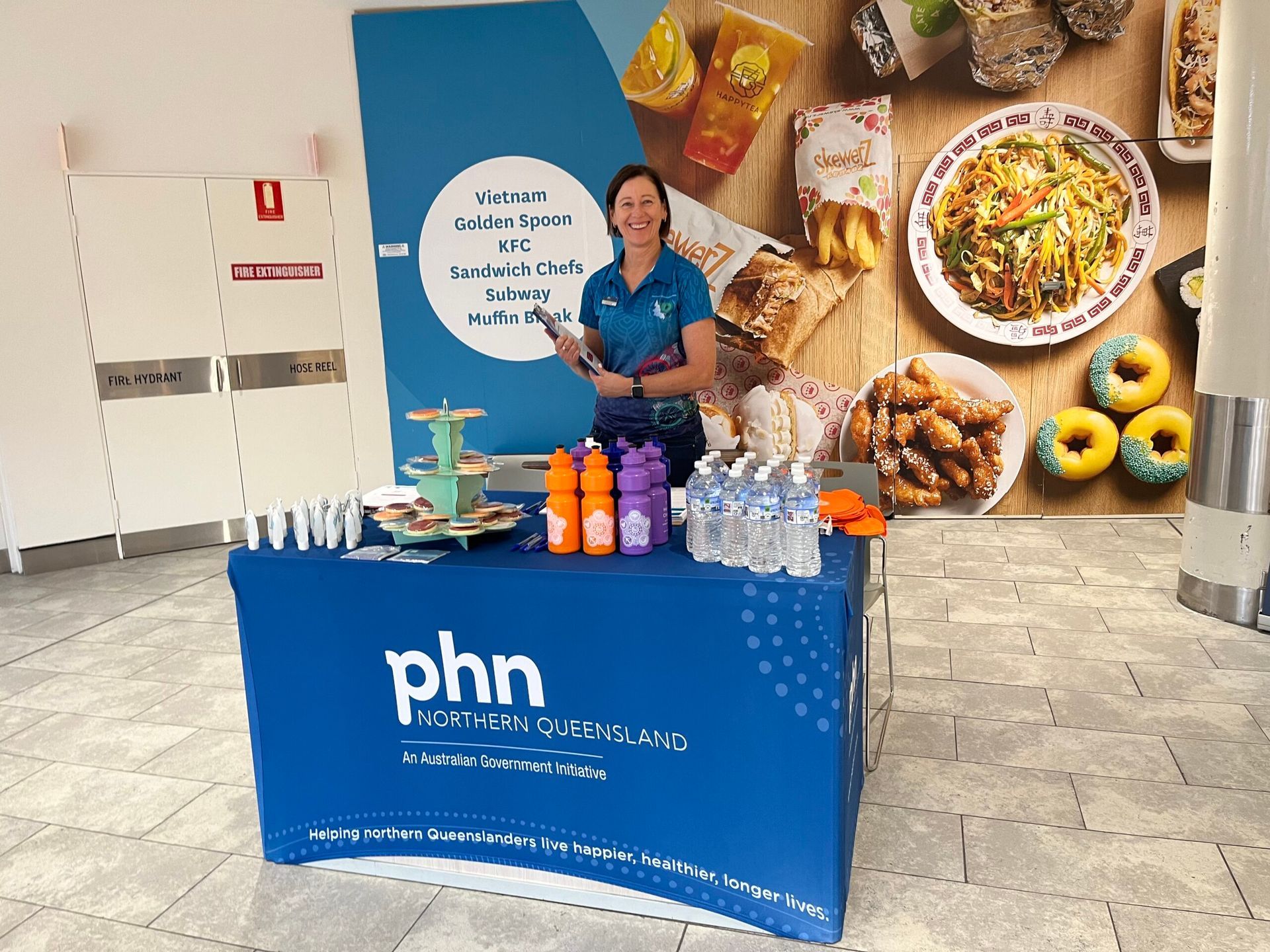
More than 1350 northern Queenslanders had their say on the region’s healthcare future, taking part in the JRNA consultations to help shape healthcare outcomes and access to services in their region.
We heard from a wide cross-section of people, including those under 24, LGBTIQ+, First Nations, and older persons.
The JRNA took on a two-phased approach that involved in-depth analysis of various data sets and engagement with a diverse range of stakeholders across our region. Through this, the health and service needs of the region were identified.

Digital Capability Grants Program
Our Digital Capability Grants Program is a funded initiative to help allied health providers, pharmacies, and general practices in northern Queensland enhance their digital health services.
These grants support the adoption of technology like electronic health records, telehealth, and other digital tools to improve patient care, data security, and operational efficiency.
The health workforce used the grants for specific digital tools like iPads, cameras, microphones, and broadband upgrades.
On this occasion, the program supported 20 allied health provider organisations in northern Queensland to enhance their digital health capabilities.
This one-time grant was available to allied health provider organisations delivering multidisciplinary team (MDT) care to residents who live in Modified Monash Model (MMM) 5-7 regions.
The grant supported organisations in adopting and integrating digital health systems to improve efficiency, enhance patient care, and address workforce service gaps through seamless digital health solutions.
Disaster preparedness and response
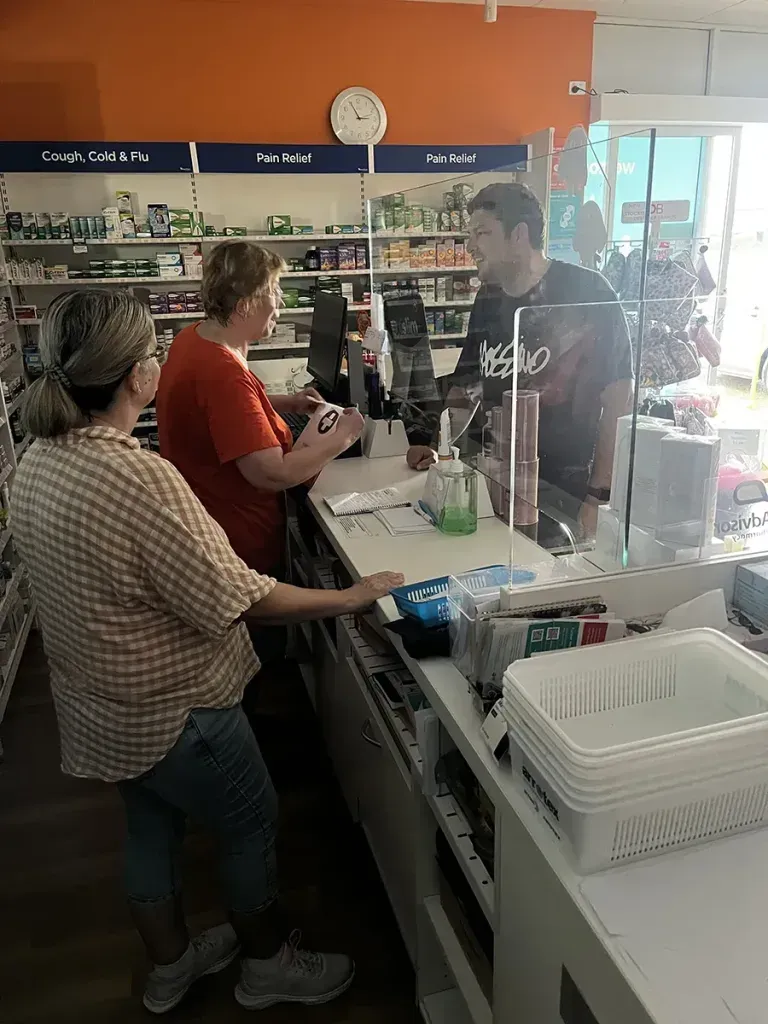
NQPHN continues to build capacity in emergency preparedness, planning, and coordination across the primary care sector.
In alignment with the Department of Health, Disability and Ageing’s (DHDA’s) Emergency Preparedness Policy Guidelines, we work to maintain and annually review protocols, build strong partnerships with local and district stakeholders, and coordinate integrated health service responses and strong communication systems.
These measures ensure a proactive system-wide approach to mitigating risk and enhancing regional resilience in the event of natural or health emergencies.
Education workshops with primary care providers were held across the region, and aimed to:
- Equip providers with the necessary knowledge and tools to effectively plan, respond, and recover from emergencies such as pandemics and natural disasters.
- Hold business continuity planning and scenario discussions.
- Support Prevention, Preparedness, Response, and Recovery (PPRR) unique scenarios such as cold chain maintenance.
We continued to develop and strengthen our SMS Emergency Alert System program. We currently have subscribed:
- General practices: 142 (80 per cent)
- Residential aged care homes (RACHs): 39 (71 per cent)
- Pharmacies: 101 (53 per cent)
- Aboriginal Medical Services (AMSs): 5 (38 per cent)
Recent advocacy for the Ingham floods in early 2024 resulted in support for general practice, residential aged care homes, and pharmacies, including emergency changes to telehealth consults, authority prescribing and dispensing, funding, relief staffing for RACHs, food and medication resupply, emergency medication delivery, and prioritising power restoration.